

Software Development In Malaysia: When Is The Right Time To Replace Legacy Systems?
Legacy systems rarely fail overnight. They weaken through slow releases, brittle integrations, and rising incident risk, and the business ends up maintaining old workflows instead of improving customer experience.
This article contains the key signs it is time to replace a legacy system, how to decide between modernising and rebuilding, and how to migrate with less disruption, in a practical way.
What Is a Legacy System?
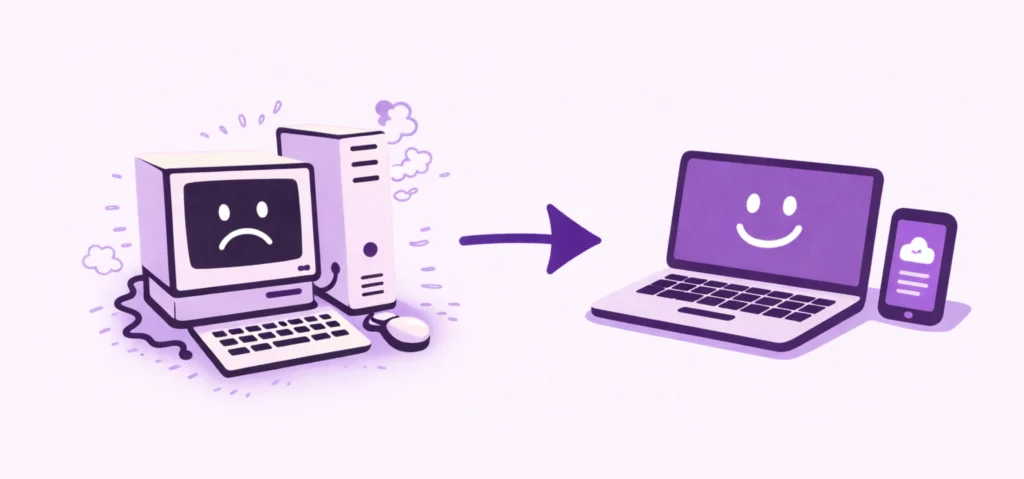
A legacy system is software or infrastructure that’s still in active use but built on older technology, frameworks, or design patterns that no longer meet current business needs. It often runs critical operations, yet its age and architecture make change risky and slow.
You’ll typically recognise a legacy system when:
- Updates or integrations require specialist knowledge few team members have.
- The platform depends on outdated libraries, on-premise servers, or unsupported vendor tools.
- Enhancements take weeks instead of days because testing is fragile or automated coverage is limited.
- Data synchronisation relies on manual exports, custom scripts, or ad-hoc fixes.
Legacy systems aren’t automatically failures, many were built for stability, not rapid iteration. The risk grows when the system’s design limits growth, security, or reliability, turning what was once a business asset into an operational constraint.
In the context of software development in Malaysia, legacy systems are especially common among established enterprises and government-linked organisations that invested heavily in custom-built applications years ago. The challenge today lies in balancing continuity with scalability — ensuring critical processes keep running while enabling modern delivery speed and integration flexibility.
Quick Guide: Should You Start Replacement Planning Now?
Answer yes to two or more, begin planning.
- Small changes take too long because testing is hard or the system is fragile.
- Data sync relies on spreadsheets, manual exports, or one-off scripts.
- Performance issues and outages are showing up more often during peak usage.
- Security, access control, or audit needs are hard to meet confidently.
- Maintenance work dominates the team’s time, not improvements.
1) The Clearest Signs Your Legacy System Has Become A Business Risk
This section focuses on the signals that most often justify replacement because they affect speed, resilience, and cost.
Your System Blocks Growth And Forces Compromises
A legacy platform becomes risky when it dictates business decisions. You might see it when a new product flow is delayed because the system cannot support new logic, or when teams avoid launching new channels because integrations are unreliable. Over time, people stop proposing improvements because delivery feels painful.
If your roadmap depends on software development in Malaysia, this is when the gap between ambition and delivery becomes obvious. The platform becomes the bottleneck, not the team.
Releases Feel Unpredictable, Even For Simple Changes
When every release needs freezes and careful timing, the system is likely fragile. Unclear dependencies and limited testing make teams ship less often, so the platform falls further behind.
Workarounds Are Becoming Normal Operations
If the system cannot integrate cleanly, the business builds manual routines around it. Data gets copied between tools and reports get reconciled by hand, which hides real costs and slows decisions.
This is where app development costs in Malaysia can be misunderstood. A replacement quote is visible, but the ongoing cost of workarounds is spread across teams and rarely tracked.
2) Replace Vs Modernise Vs Rebuild, Choosing The Right Path
This section helps you pick the approach that reduces risk while delivering value sooner.
Modernise When The Core Logic Still Works
Modernisation is best when business rules are still valid but parts are outdated. You can improve the interface, add APIs, refactor fragile modules, and strengthen monitoring without replacing everything at once.
When you work with an app developer in Malaysia on modernisation, treat it as targeted risk reduction. Start with the areas that create daily pain, then expand once the system becomes easier to change.
Replace When The Foundation Is The Problem
Replacement becomes the better option when architecture limitations cause recurring issues. If scaling needs major restructuring, if changes trigger side effects, or if only a few people understand the system, continuing to patch can become wasted effort. A structured discovery phase with an app developer in Malaysia clarifies what must be rebuilt, what can be retired, and how to sequence migration without disrupting operations.
Rebuild From Scratch Only With Tight Scope
A full rebuild can succeed, but it fails when teams try to recreate every legacy feature exactly. A safer rebuild validates today’s workflows, prioritises outcomes, and releases in phases so value arrives early.
3) The Hidden Costs That Make Legacy Systems More Expensive Than They Look
This section highlights costs that drain time and budget.
Slow Delivery Becomes A Business Tax
When software is hard to change, every improvement takes longer. That affects customer experience and internal efficiency, and it limits how quickly the organisation can respond.
Manual Processes Spread Across Departments
Legacy systems often force duplicate entry, reconciliation, and repeated report cleanups. These tasks compound daily and increase error rates. If you are discussing budget, remember that app development cost in malaysia should include the savings from removing recurring manual work, not only the price of building new features.
Incidents Create Downstream Clean-Up
As the business grows, more tools depend on the legacy platform. Even short outages can trigger reporting gaps and customer support spikes that take time to unwind.

4) A Stakeholder-Friendly Decision Checklist
Use these checks to align leadership on timing and scope.
Business Fit
List what you need next, such as new channels, faster reporting, or new pricing logic. If the legacy system blocks multiple priorities, you already have a business case.
Technical Health
If releases are stressful and regressions are common, you likely need replacement or deep modernisation, not more patching.
Integration Readiness
If spreadsheets and fragile scripts dominate your data flow, replacement is also an operational improvement.
Risk Exposure
Consider peak traffic, audits, and major launches. If failure at the wrong time would be unacceptable, earlier planning reduces emergency decisions later.
Cost Trajectory
If maintenance effort rises while delivery speed falls, the timing window is open.
5) How To Replace Legacy Systems Without Disrupting The Business
This section outlines a safer approach that protects uptime and keeps operations stable.
Start With Discovery And Dependency Mapping
Map workflows, owned data, and critical integrations. Discovery often reveals features that can be retired or simplified, which reduces scope and surprises.
Define Outcomes And Sequence Around Value
Set outcomes such as fewer incidents, faster releases, reliable reporting, or cleaner integrations. Then prioritise modules so the first releases deliver visible improvement.
Use Phased Migration, Not A Single Big Switch
Phased migration reduces risk and keeps progress visible. Many teams start with a new interface or service layer while the legacy core continues running, then move modules one by one. This approach also makes collaboration smoother with an app developer in Malaysia because each phase can be tested, released, and rolled back if needed.
Treat Data Migration As A Product
Plan for cleanup, validation rules, rehearsal migrations, and clear ownership of definitions. Decide what historical data truly needs to move, then verify accuracy before go-live.
Build Maintainability Into The New System
Prioritise modular structure, stable APIs, clear permissions, reliable deployments, and documentation that future teams can use.
6) What To Prioritise For Modern Delivery In Malaysia
Make Delivery Cadence Visible
Regular demos and staged releases reduce uncertainty and keep decisions moving.
Validate Workflows Early
Combine discovery with phased delivery so edge cases surface early without losing control of scope.
Design Governance Early
If personal data is involved, design access control and auditability early so compliance does not become a late blocker.
Key Takeaways
- Replace when the platform blocks growth and incident risk is rising.
- Modernise when core logic still works, then improve in phases.
- Reduce disruption with phased migration and rehearsed data migration.
Related Reading From RedAnt
If you want deeper context around choosing partners, building mobile performance, and protecting data practices, these guides pair well with legacy replacement planning:
- Explore What Makes a Great Software Development Agency in Malaysia to understand what to evaluate in a delivery partner, from process maturity and communication to technical depth and long-term support.
- Understand How to Avoid Common Flutter App Development Mistakes to see how performance bottlenecks, poor architecture choices, and weak testing discipline can slow modernisation and create avoidable rework.
- Discover PDPA Compliance for Mobile Apps in Malaysia to learn practical PDPA-aligned steps for handling personal data, strengthening access control, and reducing privacy risk during system replacement.
Upgrade Calmly, Not Under Pressure
The right time to replace a legacy system is when warning signs are visible and planning is still possible, not when a failure forces your hand. If delays, workarounds, and recurring incidents have become the normal cost of operating your software, replacement becomes a business decision that protects continuity and speeds delivery.
When web portals or internal systems are involved, understanding app development cost in Malaysia early helps you align scope, integrations, and data migration work to a predictable budget. When mobile experiences are part of the plan, an experienced app developer in Malaysia can modernise customer-facing journeys while keeping core operations stable.
If you want a clearer view of delivery options and how to structure the engagement, start with software development in Malaysia to plan next steps with less guesswork.
FAQs
1) When Should I Replace Instead Of Modernise?
Replace when the system is brittle, incidents are recurring, integrations rely on workarounds, and security or scaling needs require major structural change.
2) What Usually Causes Legacy Replacement Projects To Fail?
Scope creep. Teams try to rebuild every legacy feature instead of prioritising outcomes and releasing in phases.
3) How Do I Reduce Downtime Risk During Migration?
Ship in phases, rehearse data migration, monitor each rollout, and keep rollback plans for critical workflows.
4) How Do I Choose The Right Delivery Team?
Choose a team with strong discovery, clear sprint cadence, QA discipline, and experience with integrations and data migration.