

What Makes a Mobile App Truly Intuitive?
In today’s digital market, mobile app design isn’t just about aesthetics, it’s about creating seamless, intuitive experiences through expert mobile app development services that keep users engaged.
The most successful apps make complex processes feel effortless. Every swipe, tap, and scroll aligns perfectly with user expectations. But what actually makes an app “intuitive”?
The answer lies in balancing UI (User Interface) and UX (User Experience) design to produce something that looks polished and feels natural.
What Is Mobile App Design?
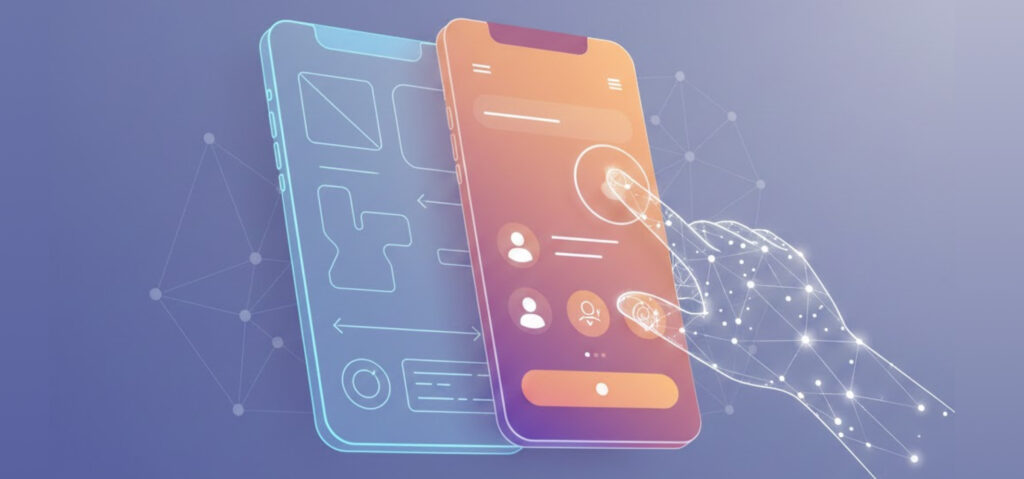
Mobile app design refers to the process of creating interfaces for smartphones, tablets, and wearable devices that are both appealing and functional. A well-designed app doesn’t only look attractive, it performs smoothly, loads quickly, and responds predictably.
Good mobile app design balances two critical factors:
- Visual design (UI): the colours, fonts, icons, and layouts that shape an app’s appearance.
- Interaction design (UX): how easily a user can navigate, interact, and complete tasks within the app.
The goal is simple: ensure that the technology never gets in the way of the experience.
According to research from Forrester, a well-designed user interface can raise conversion rates by up to 200%, while better UX design can increase that number by up to 400%. That’s why mobile app design is more than visual creativity, it’s a business asset.
What Is UI/UX Design?
UI (User Interface) design is about how an app looks, the visual layer users interact with. It involves layout grids, typography, colour palettes, iconography, buttons, and imagery. The goal is to create a visual language that’s logical, appealing, and easy to interpret.
UX (User Experience) design, on the other hand, governs how an app works. It’s about structure, flow, and usability, from the first screen a user sees to the final action they take. Good UX anticipates user needs, removes friction, and provides satisfaction through simplicity.
The strongest apps merge UI and UX seamlessly. The user shouldn’t have to think twice about what to do next. Think of brands like Spotify and Airbnb, whose apps combine beautiful visuals (UI) with intuitive flows (UX), proving that clarity always trumps complexity.
Understanding Intuition in UX Design
To design intuitively, we first need to understand human intuition. Intuitive interfaces rely on familiar patterns, enabling users to predict interactions naturally. When a design follows established conventions, like placing navigation at the bottom or using universally recognised icons, users can adapt instantly.
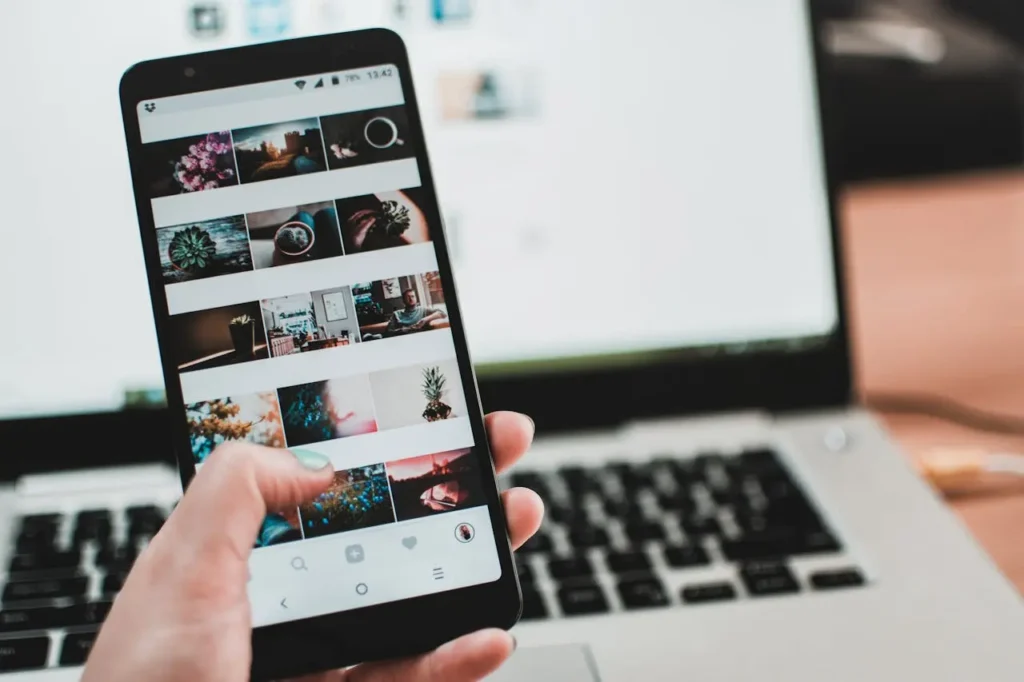
Cognitive psychology plays a major role in UX design. Research shows that users prefer apps that reduce cognitive load, or the mental effort required to complete tasks. The less time someone spends thinking about how to use an app, the more they can focus on enjoying its features.
Intuitive UX design anticipates user behaviour. It gently guides without forcing, helping users reach goals quickly and confidently. In essence, a truly intuitive app feels invisible, it simply works.
The UI/UX Elements That Make an App Feel Natural
Building an intuitive mobile app requires attention to several intertwined design elements. Each plays a crucial role in shaping the overall user experience.
Clean and Simple Interface (UI)
Less is more in modern app design. Clean layouts, generous spacing, and balanced colours improve readability and prevent overwhelm. Every button, icon, and line of text should serve a clear purpose. Simplicity helps users focus on what matters, completing tasks effortlessly.
Logical, Predictable Navigation (UX)
Navigation must be consistent across all app screens. Familiar patterns, such as bottom tab bars or slide-in menus, allow users to move around confidently. Predictable paths minimise frustration, increasing engagement and retention.
Consistent Visual Language
Colour consistency, font uniformity, and harmonic spacing create visual trust. When the interface looks and behaves predictably, users subconsciously feel secure. Designers often create style guides or design systems to maintain consistency across updates and platforms.
Feedback and Responsiveness
Instant responses reassure users. Whether it’s a subtle button animation, haptic vibration, or confirmation message, feedback communicates that the app is working as expected. Slow or unresponsive design, however, immediately breaks trust and disrupts intuition.
Accessibility and Inclusivity
True intuition extends to everyone. Accessibility features such as voice control, dynamic text resizing, and screen reader support ensure that anyone, regardless of ability, can use the app comfortably. Inclusive design not only expands your audience but aligns with global digital standards.
Collaboration Between UX and UI Designers
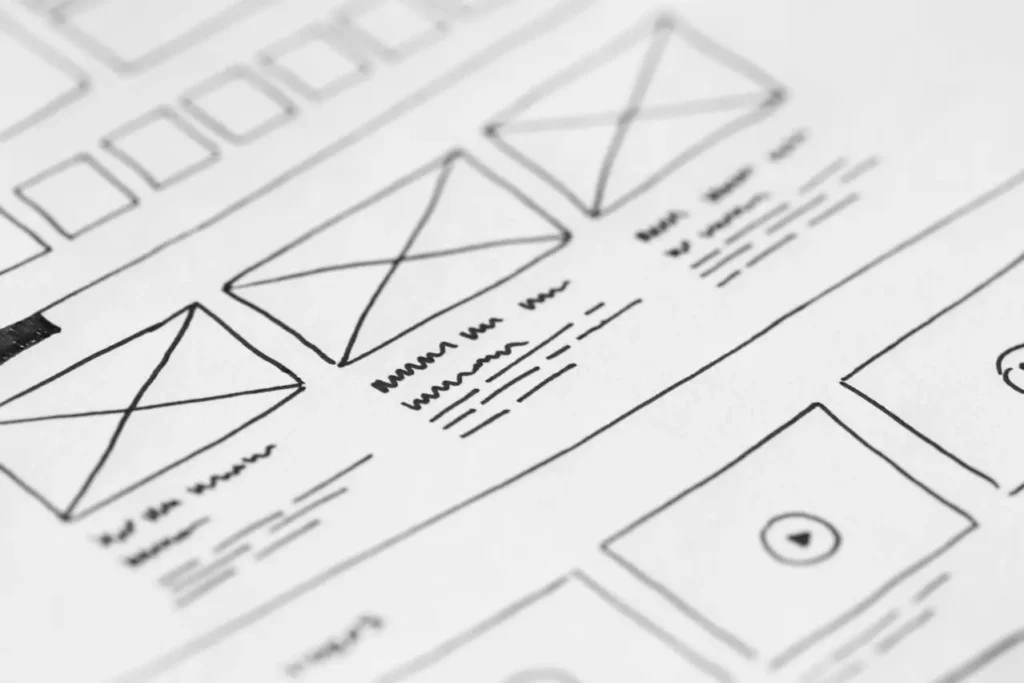
UI and UX designers play distinct but complementary roles in building intuitive mobile experiences. UX designers map out the user journey, identifying who the users are, what they need, and how they’ll interact with the app. They create wireframes, prototypes, and flowcharts to validate these behaviours.
UI designers then transform those blueprints into visual experiences. They select colours, typography, and imagery while ensuring that the layout stays functional and visually appealing.
Successful app design teams collaborate closely, sharing insights between research, design, and development. For example, a UX designer may discover through testing that users struggle to find a checkout button. The UI designer can then adjust colours or positioning to make it more prominent. This feedback loop ensures design decisions directly improve usability.
Testing and Iteration: The Path to True Intuition
Even the best designs need real-world validation. User testing is an essential stage in crafting intuitive apps. Designers often use techniques such as A/B testing, heat mapping, and session recording to observe user interactions in practice.
Testing reveals friction points, where users hesitate, mis-tap, or abandon tasks. Analysing this data enables designers to refine layouts and behaviours until every interaction feels easy. The most intuitive apps are not the result of guesswork but continuous improvement driven by real feedback.
Iteration is the secret to long-term success. Market expectations and user habits evolve, and great digital products evolve with them. Consistent testing ensures that users always enjoy a smooth, modern experience.
Common UI/UX Mistakes That Break Intuitiveness
Even small design missteps can compromise an otherwise strong app. Here are a few pitfalls that reduce intuitiveness:
- Overcomplicating navigation: Users should never need instructions to operate your app.
- Ignoring consistency: Changing button styles, colours, or placements between screens confuses users.
- Overloading features: Too many elements clutter the interface and distract from the main purpose.
- Poor accessibility: Neglecting text contrast or ignoring screen-reading compatibility excludes users.
- Slow responsiveness: Lagging transitions or delayed feedback destroy confidence in your interface.
By avoiding these mistakes and adhering to best practices, brands can achieve design simplicity that feels natural, trustworthy, and elegant.
Designing for Natural Human Experience
A truly intuitive mobile app combines thoughtful user experience design with visually cohesive user interfaces. Every decision, from colour selection to button placement, should serve the user’s goal.
Intuitive design empowers users to navigate confidently without conscious effort. It merges form and function so elegantly that technology becomes invisible. Brands that invest in strong UI/UX foundations build loyalty, improve engagement, and strengthen their digital identity.
In 2026 and beyond, as technology advances and expectations rise, intuitive design will remain the defining feature of successful mobile apps. It’s not just about looking sleek, it’s about understanding humans and designing for their instinctive needs.
Frequently Asked Questions (FAQ)
What makes a mobile app truly intuitive?
A truly intuitive app combines thoughtful UI/UX design to remove friction. Through expert mobile app development services, users can navigate effortlessly without needing instructions, keeping engagement high and frustration low.
Why is UI/UX design important in mobile app development?
Strong UI/UX design creates smooth, enjoyable user journeys that improve satisfaction and conversion rates. Leading mobile app development services prioritise seamless interactivity, performance, and accessibility to maximise business impact.
How does testing make an app more intuitive?
User testing identifies real-world usability issues before launch. Continuous testing and iteration ensure each interaction works as expected, a key principle in effective mobile app development services that results in stable, user-friendly apps.
What mistakes reduce app intuitiveness?
Common design pitfalls include inconsistent visuals, complex navigation, slow responsiveness, and poor accessibility. Professional mobile app development services focus on clean design and predictable performance to maintain trust and retention.
Partner with Red Ant for Your Next App
Ready to transform your ideas into a seamless, user-loving mobile app? Partner with Red Ant Technology, a leading app development company in Malaysia and your expert team in mobile app design, UI, and UX development.
We deliver top mobile app development services that are intuitive, accessible, and built to perform, including specialist iOS app development in Malaysia and Android app development in Malaysia, helping your brand stand out in a competitive market.