

How Do You Secure a Web Application? Best Beginners Guide, Tools, and Practices
In today’s digital-first world, web applications are vital to business operations, customer engagement, and service delivery. They’re foundational to how businesses operate, serve customers, and scale. From online banking platforms to e-commerce sites and healthcare portals, these applications handle sensitive data, automate transactions, and enable 24/7 accessibility across devices and regions.
However, with increasing reliance on web-based systems comes a rising threat of cyberattacks. From SQL injection to cross-site scripting (XSS), modern threats can compromise sensitive data, damage brand reputation, and potentially lead to costly legal issues.
In this article, you’ll learn everything you need to know about securing a web application, including security assessments, testing practices, common vulnerabilities, and actionable tips. As a trusted web application development company, we’ll guide you through the essential steps to enhance your app’s security posture.
What is Web Application Security?
Web application security refers to the combination of strategies, practices, and tools used to protect websites and web-based services from threats that target application-level vulnerabilities.
As businesses increasingly operate online thus handling financial transactions, customer records, and proprietary data security of these applications has become a top priority. A single exploited weakness can result in serious consequences, ranging from reputational damage to costly legal actions.
Web application security focuses on protecting three main areas: confidentiality, integrity, and availability. This means keeping sensitive information private, ensuring that data isn’t changed by mistake or on purpose, and making sure the application stays accessible to users even during problems or attacks.
Common and serious threats are listed in the OWASP Top 10, a well-known guide to the most critical web vulnerabilities. These include issues like hackers accessing data through faulty database queries, inserting harmful code into web pages, taking over user accounts due to weak login systems, poor system settings that leave apps open to attack, and tricking users into performing unwanted actions. Tackling these risks early helps keep applications safe and builds trust with users.
Web Application Security Assessment
A web application security assessment is a comprehensive evaluation that identifies vulnerabilities within a web application. Think of it as a proactive measure, a way to find and fix security flaws before hackers do.
Key Stages of a Security Assessment:
- Discovery: Identify assets, components, and user flows.
- Analysis: Evaluate potential vulnerabilities and weak points.
- Remediation: Patch issues and implement security improvements.
Security assessments help organizations minimize risk and meet compliance standards such as GDPR, PCI-DSS, or HIPAA.
What Is Web Application Security Assessment?
A web application security assessment is a detailed check-up that looks for weaknesses in web-based systems. Unlike general IT audits that focus on things like networks or server access, this type of assessment goes deeper into how the actual application works. It looks at how the app handles user input, manages logins, keeps sessions secure, and protects its core functions. This makes it especially useful for spotting problems that broader audits might miss like weak access controls, unsafe data handling, or mistakes in how users move through the app.
Regular web application security assessments are important at every stage of an app’s life. They should be done before launching, after major updates, and regularly such as every few months or once a year. These checks help teams catch problems early, keep up with new security threats, and make sure the app follows data protection rules. By staying proactive, businesses can prevent data breaches, protect user trust, and build a safer app environment for the web application development company.
Web Application Security Assessment Tools
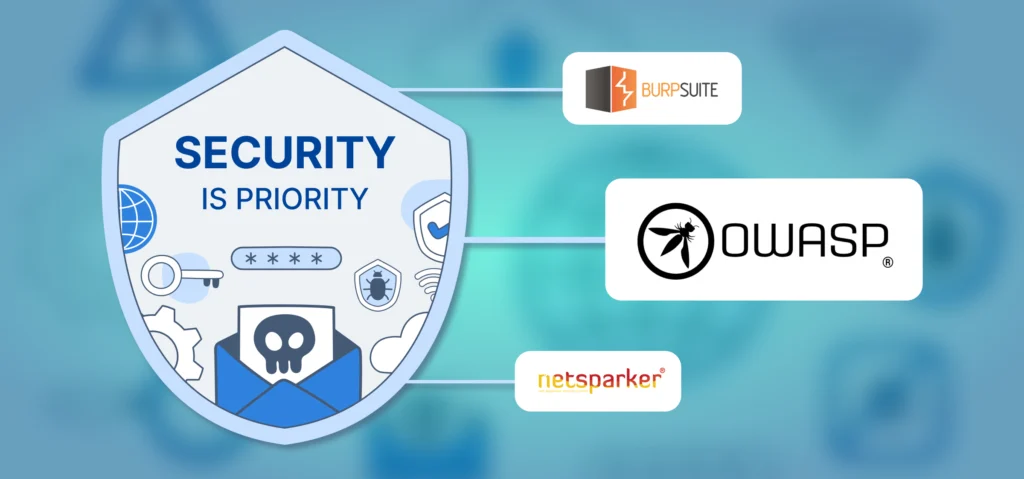
Effective assessments rely on trusted tools to automate detection and assist manual testing. Popular tools include:
- OWASP ZAP: Open-source tool for finding security flaws during development.
- Burp Suite: Widely used for manual and automated penetration testing.
- Netsparker: Offers accurate vulnerability detection with minimal false positives.
Criteria for Selecting a Tool:
- Accuracy: Minimise false positives.
- Usability: Intuitive UI and workflow.
- Scalability: Works well with large applications.
- Integration: Supports CI/CD pipelines and DevOps tools.
Web Application Security Assessment Checklist

Here are essential areas to evaluate during an assessment:
- Authentication and authorisation controls
- Input validation and output sanitisation
- Secure data transmission (SSL/TLS)
- Session management and timeout settings
- Error handling and logging mechanisms
- Patch management and third-party dependency updates
Web Application Security Testing
Security testing validates the effectiveness of implemented security measures. It identifies vulnerabilities that may not be evident through assessments alone.
Common Testing Methods:
- Static Application Security Testing (SAST): Analyses code without running it.
- Dynamic Application Security Testing (DAST): Simulates attacks on running applications.
- Interactive Application Security Testing (IAST): Combines SAST and DAST for deeper insights.
Results from these tests help guide development teams to strengthen app defenses.
What Is Web Application Security Testing
Security testing involves systematically probing an application to find and fix security issues. It differs from functional testing, which checks whether the app performs as intended.
Key Features:
- Validates implementation of security protocols
- Helps uncover flaws like broken authentication and insecure deserialisation
- Integrates with DevSecOps pipelines for continuous feedback
Why Web Application Security Testing Is Important

If you don’t regularly test your web application for security issues, you’re leaving it open to cyberattacks. Hackers can exploit weak spots in your code to steal sensitive data, take over user accounts, or even bring your application offline. This can lead to serious problems like losing customer trust, getting fined for not following data protection laws, and having your business operations disrupted for hours or even days.
The financial impact of a security breach can also be very high. According to IBM’s 2023 Cost of a Data Breach Report, the average cost of a single breach is USD 4.45 million. That includes costs like fixing the problem, dealing with lawsuits, and losing customers. Security testing helps catch these issues early especially before they become major threats thus making it a smart and cost-effective way to protect your business and your users by getting services from web application development company.
Web Application Security Best Practices
Here are proven strategies to protect your web application:
- Follow the OWASP Top 10 to address critical risks.
- Apply patches and updates regularly.
- Implement least privilege access for users and services.
- Use HTTPS, SSL/TLS, and strong encryption.
- Store sensitive data securely using hashing and salting.
- Configure secure cookies with HttpOnly and Secure flags.
- Train your developers in secure coding practices.
- Enforce multi-factor authentication (MFA) for access control.
Frequently Asked Questions (FAQs)
What is the difference between web application security assessment and testing?
A security assessment identifies potential risks across the system. Security testing, however, validates the effectiveness of those protections. Both are crucial and complement each other in a secure web application development company lifecycle.
When should a web application security assessment be performed?
You should assess security:
- Before launching a new web app
- After major updates
- On a regular schedule (e.g., quarterly)
These aren’t just one-off tasks, web application security assessments need to be part of an ongoing security strategy. As your application evolves with new features, integrations, or user traffic, new vulnerabilities can emerge. Regular assessments help identify risks early, keep your security controls up to date, and ensure compliance with industry standards. In a fast-moving digital landscape, continuous monitoring is key to staying one step ahead of potential threats.
How do OWASP Top 10 guidelines help in securing web applications?
The OWASP Top 10 highlights common vulnerabilities and provides mitigation strategies. For example, it helps developers guard against injection flaws and broken access control.
What are the key criteria for selecting web application security tools?
When selecting web application security tools, it’s important to consider a few key factors to ensure they meet your project’s needs. Look for tools that offer high accuracy in detecting vulnerabilities, minimizing false positives so your team can focus on real issues. Ease of use is also crucial, tools should be intuitive and efficient, even for developers who aren’t security experts.
Compatibility with your existing tech stack ensures smooth implementation, while integration with CI/CD pipelines and version control systems allows for automated, continuous security testing throughout your development lifecycle.
Conclusion
Web application security is not a one-time task but an ongoing process. Through regular assessments, thorough testing, and strict adherence to best practices, businesses can significantly reduce their exposure to cyber risks.
Partner with Red Ant Technology, a reliable app development company in Malaysia, to ensure your web apps are built and maintained with security at their core.
Ignoring web security can lead to data breaches, financial losses, and damage to your brand’s reputation. By investing in secure mobile app development services from the start and maintaining regular audits, you’re not just protecting your app but you’re safeguarding your users, your operations, and your future growth with a trustworthy mobile app development in Malaysia.
Ready to secure your application? Contact Red Ant Technology today, a trusted app developer in Malaysia to learn how our security-focused development approach can protect your digital assets.